Mold After Fire Damage in Blue Springs, MO
Mold removed from wet drywall, insulation and sound framing after a fire in your Blue Springs property. Call 24/7 to start your moisture assessment and cleanup.
- Firefighting water traced
- Containment and HEPA filtration
- Wet materials assessed
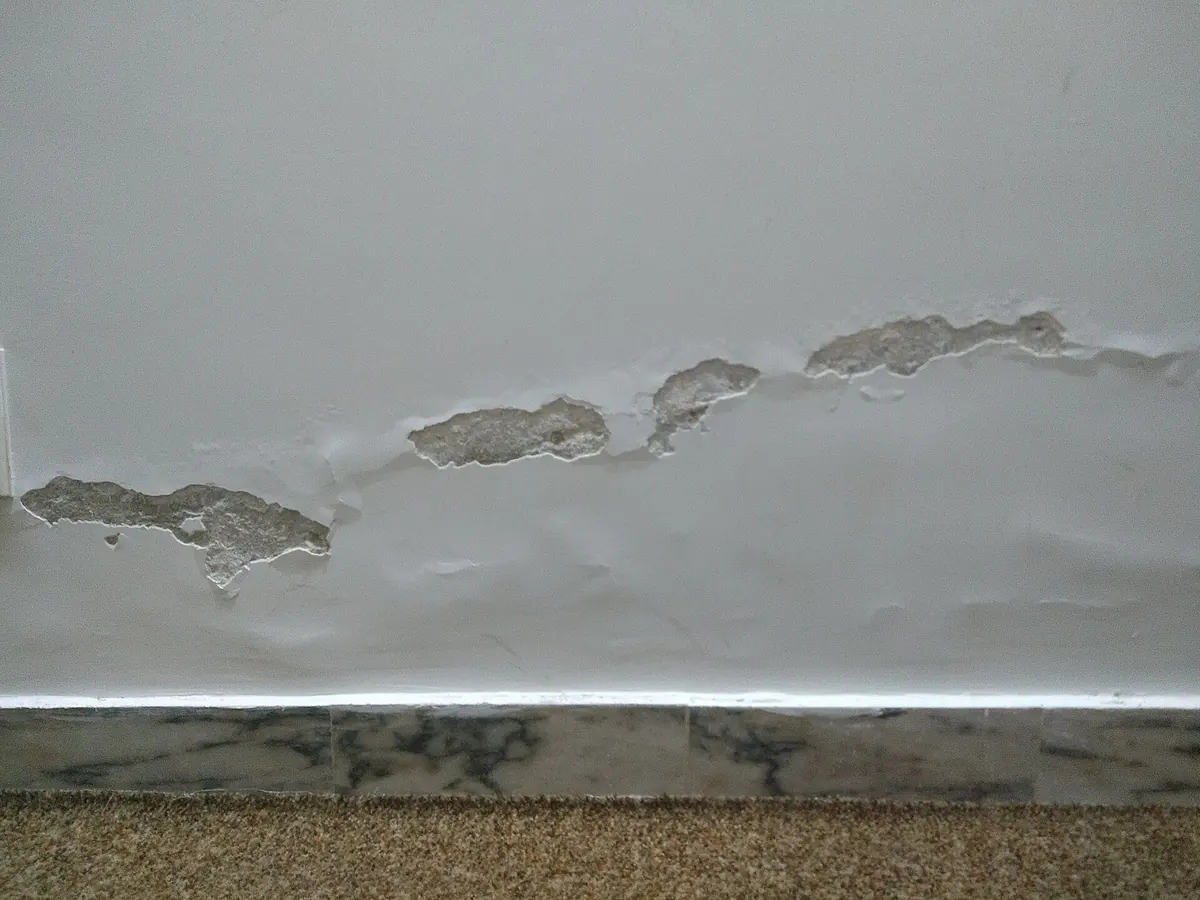
Your Mold After Fire Damage Services in Blue Springs
Mold cleanup addresses your ceilings, floor layers, walls and attic framing wet by firefighting water. Removal takes out damaged material; surfaces that remain sound receive cleaning and drying.
Moisture mapping looks beyond visible growth to trace wet cavities, insulation and drywall. Your rooms may have escaped the flames but still received water during efforts to extinguish the fire.
Mold removal has a separate place in your written work scope from fire restoration, burned materials and soot cleanup. Areas stay off limits until entry is permitted.
- Checking firefighting water and the moisture source
- Contained drywall and insulation removal
- Sound framing and cavity cleaning
- Structural drying with moisture readings
- Final checks before replacement finishes
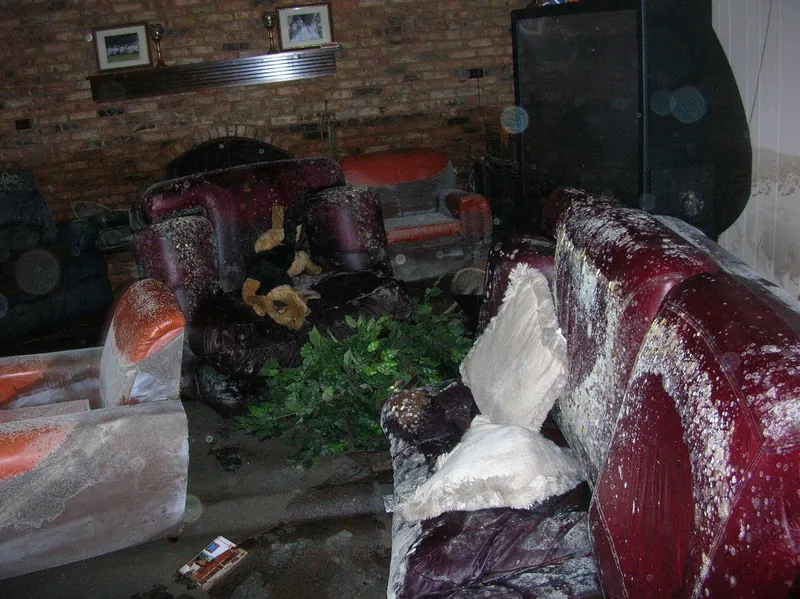
When Your Blue Springs Property Needs Mold Cleanup After a Fire
Growth, dampness and musty odor after a fire need assessment.
Mold on Previously Wet Walls
Spots appear on drywall or trim reached by firefighting water, away from the flames.
Wet Insulation Under Roof Openings
Damp insulation remains along water entry points in your attic.
Musty Odor Beneath Smoke Odor
You still notice a musty smell despite fading smoke odor.
Damp Ceilings Below the Fire
Water trapped between floors may show as ceiling stains or softness.
Mold Along Cabinet Areas and Flooring Edges
Growth or swelling appears around cabinets, baseboards or flooring.
The Process for Mold Cleanup After Fire Damage
Your cleanup starts with access permission, followed by removal, drying and final checks.
Access and Mold Assessment
Room access depends on entry restrictions. Dampness is mapped using a moisture meter; a thermal imaging camera detects temperature variations, not mold.
Moisture Source and Cleanup Scope
Checks examine roof openings, leaks and the paths water took. Board-up and leak repair, plus smoke damage restoration and water removal, stay distinct from mold work in the scope.
Mold Containment and Filtration
Poly sheeting forms a containment barrier. A HEPA air scrubber works with protective equipment and negative air pressure to restrict particle movement.
Damaged Material Removal
Moldy insulation and unsalvageable water-damaged materials are bagged within containment. A protected path carries debris away as drywall removal opens up affected cavities.
Framing and Surface Cleaning
Sound framing, along with non-porous surfaces, gets suitable damp cleaning and HEPA vacuum cleaning. Soot cleanup is separate; antimicrobial treatment cannot take the place of removal.
Structural Drying
Dehumidification and controlled air movers support the drying process. Adjustments to drying equipment follow moisture readings as continuing water entry is fixed.
Mold Cleanup Verification
Cleaning and drying receive post-remediation verification. When clearance testing is specified, an independent assessor carries out testing.
Containment Removal and Repair Handoff
Containment comes down after final cleaning and verification. Replacement finishes follow moisture corrections and any necessary fire and water damage repairs.
Your Choice for Mold After Fire Damage: Why Kansas City Mold Removal Services
Removal Through Final Checks
Final checks and containment removal come after material removal, cleaning and drying.
Contained Work With HEPA Filtration
Containment shields nearby areas; HEPA filtration is selected to suit material removal.
Firefighting Moisture Traced First
Water routes within ceilings, floor layers and wall cavities are evaluated ahead of removal.
Calls Answered 24/7
Across the metro, start your post-fire mold assessment at one number, even on nights and weekends.
Clear Mold Cleanup Scope
Mold removal and drying are distinct in your scope from rebuilding and smoke cleanup.
Steps Before Mold Cleanup After a Fire in Jackson County
Call for your assessment. Leave all restricted areas untouched.
- Respect Fire Restrictions. Access to wet materials comes after attention to structural and electrical dangers.
- Leave Mold Undisturbed. Do not scrape growth, pull insulation or disturb mixed fire debris.
- Keep Affected HVAC Off. Do not operate equipment suspected of mold contamination; EPA warns that running equipment can spread mold spores.
- Avoid Wet Wiring. Do not approach water near electrical outlets, damaged fixtures or panels.
- Keep the Work Area Clear. People and pets must stay clear of both affected rooms and the debris exit path.
Mold After Fire Damage Cost in Blue Springs, MO
These overlapping national figures cover mold repairs and cleanup. They cannot be combined into a total or used to price your complete fire restoration.
Typical national range, average $3,500
$1,500 to $9,000 per jobSource: Fixr, Mold Remediation Cost (checked 2026-10-23)Restoration for severe cases
$10,000 to $20,000 per jobSource: Fixr, Mold Remediation Cost (checked 2026-10-23)Damage repair after remediation
$2,000 to $20,000 per jobSource: Bob Vila, Mold Remediation Cost (cites Angi and HomeAdvisor) (checked 2026-10-23)Professional rate for areas over about 10 square feet
$10 to $30 for each square footSource: Fixr, Mold Remediation Cost (checked 2026-10-23)What Influences Your Mold Cleanup Cost After a Fire
- Affected square footage
- Drying equipment and moisture levels
- Separate roof and leak repairs
- Replacement finishes
- Access behind walls and ceilings
- Insulation and debris volume
Cleanup Scope: What Your Price Covers
These published national ranges are planning figures. Your on-site assessment defines the work and price before cleanup starts, including any separate source repairs or rebuilding.
Call (844) 352-3560 about costMold After Fire Damage Service Area Across Greater Kansas City
Call (844) 352-3560 to arrange cleanup in Blue Springs or nearby communities. One number covers the metro.
Mold After Fire Damage in Locations Near Blue Springs
Frequently Asked Questions About Mold After Fire Damage in Blue Springs
In Blue Springs, how much time does mold cleanup after a fire require?
Assessment and allowed access shape your schedule. Drying framing takes different effort from opening damp cavities or removing insulation. Moisture readings guide drying time. Replacement finishes and reopening rooms must account for the timing of fire repairs and final checks.
Should testing happen before or after cleanup following a fire?
Visible mold often does not need air sampling under EPA guidance. Inspection and moisture mapping establish the affected area. Containment stays up until cleaning and drying have been checked. An independent assessor performs specified clearance testing. There is no federal limit for mold levels indoors.
Can you remain at home while mold cleanup takes place?
Occupancy depends on fire restrictions, structural condition and usable utilities. Mold work needs a controlled debris path as well as separation from rooms in use. Before removal starts, establish access limits. You cannot judge whether staying is appropriate from containment alone; some properties remain empty for the duration of repairs.
Is mold likely to reappear after cleanup?
Mold can return if moisture remains or water enters again. Your cleanup follows firefighting water paths and continuing leaks ahead of removal. Clean and dry sound surfaces, with corrections for moisture set out in the scope. Replacement finishes follow drying checks to avoid covering damp materials.
How much does post-fire mold cleanup cost in Jackson County?
Pricing depends on concealed moisture and affected square footage, plus the removal and drying you need. National ranges appear on the cards, using differing units and scopes. Your assessment determines charges for mold cleanup before work starts, separately identifying moisture repairs, replacement finishes and smoke cleaning.
During mold cleanup, do you also get repairs for leaks and smoke damage?
Your scope must list leak repair and smoke cleaning for either to be included. Assessment finds continuing water entry and distinguishes corrective work from mold removal. Fire restoration work is needed for soot and burned materials. Drying and verification precede new finishes over affected areas.
Must all drywall and framing damaged by fire be removed?
Condition checks and damage assessment guide what comes out. You may need to discard moldy insulation and drywall while keeping sound framing for cleaning and drying. Burned wood needs a separate structural assessment. Your scope separates fire demolition and structural repairs from mold removal.
Post-Fire Mold Cleanup and Insurance in Missouri
Your homeowners policy, deductible, exclusions, mold limits and the source of moisture determine insurance coverage. Mold cleanup may receive different treatment from fire repairs in your claim.
Greater Kansas City Post-Fire Mold Work: Safety Considerations
Your cleanup considers water contamination alongside fire damage and access limits.
Structural Damage
Mold cleaning cannot determine the load-bearing ability of burned framing.
Hidden Mold
Wet cavities need assessment even where nearby finishes look dry.
Restricted Work Zones
Removing materials uses containment alongside an air filtration device to limit spreading particles.
Mixed Fire Debris
Water is evaluated after touching damaged materials and soot.
Cleanup scope: Fire hazards remain unresolved by EPA homeowner advice for areas under about 10 square feet. A professional should assess extensive damage, contaminated water or an affected HVAC system.
Jackson County Mold Materials Affected by Water From Firefighting
The state of your materials guides the choice between cleaning and removal.
Drywall and Insulation
- Removing affected porous materials may be necessary to uncover concealed cavities for drying.
Wood Framing
- Sound wood receives cleaning and drying. Assess fire-damaged framing separately for structural condition.
Tile, Metal and Floor Layers
- Non-porous surfaces within reach may allow cleaning. Assess damaged cabinets, subfloor and carpet separately.
Jackson County Post-Fire Mold Cleanup: How Long Work Takes
Your schedule follows access, removal, drying and repairs.
- Access Restrictions: Room restrictions postpone the assessment and delay starting removal work.
- Concealed Moisture: Drying within opened floor and wall assemblies is tracked through repeated readings.
- Repair Readiness: Final verification and moisture corrections precede replacement finishes.
Fire Damage in Greater Kansas City: Mold and Smoke Odor
Check your materials and moisture when an odor is musty. Soot and smoke smells require separate fire cleanup. Fragrance corrects neither underlying source.
EPA advises an ideal indoor relative humidity range of 30 to 50 percent and a level below 60 percent. Your dehumidifier aids humidity control without repairing leaks or removing mold.
Mold Work and Fire Repair: Requirements in Missouri
Mold Work Requirements
Missouri does not appear to have a statewide license for mold assessors or remediators, and the state does not set mold exposure standards. Ask any contractor about their mold training and check local contractor rules.
EPA Guidelines for Drying
To prevent mold growth, get water-damaged areas and items dry within 24 to 48 hours.
Fire Repair Permits
Permit requirements depend on the structural, roof or electrical work included.
State Mold Information
The Missouri Department of Health and Senior Services has a mold page for the public, with the Bureau of Environmental Epidemiology listed as the contact.
State guidance: Missouri Attorney General, Landlord Tenant Law
Related Services and Next Steps
Start Your Mold After Fire Damage in Blue Springs
Call 24/7 to arrange your assessment. Your cleanup starts with the affected surfaces, moisture source and access to your home.